Bali Narcotics Poilice - BALINEWS reports that the Head of the Denpasar City National Narcotics Agency (BNN), Senior Police Commissioner (Kombes Pol.) Dr. Leo Dedy Defretes, S.H., S.I.K., M.H., has issued a public warning regarding new narcotics smuggling methods in Bali, including cocaine concealed inside wigs.
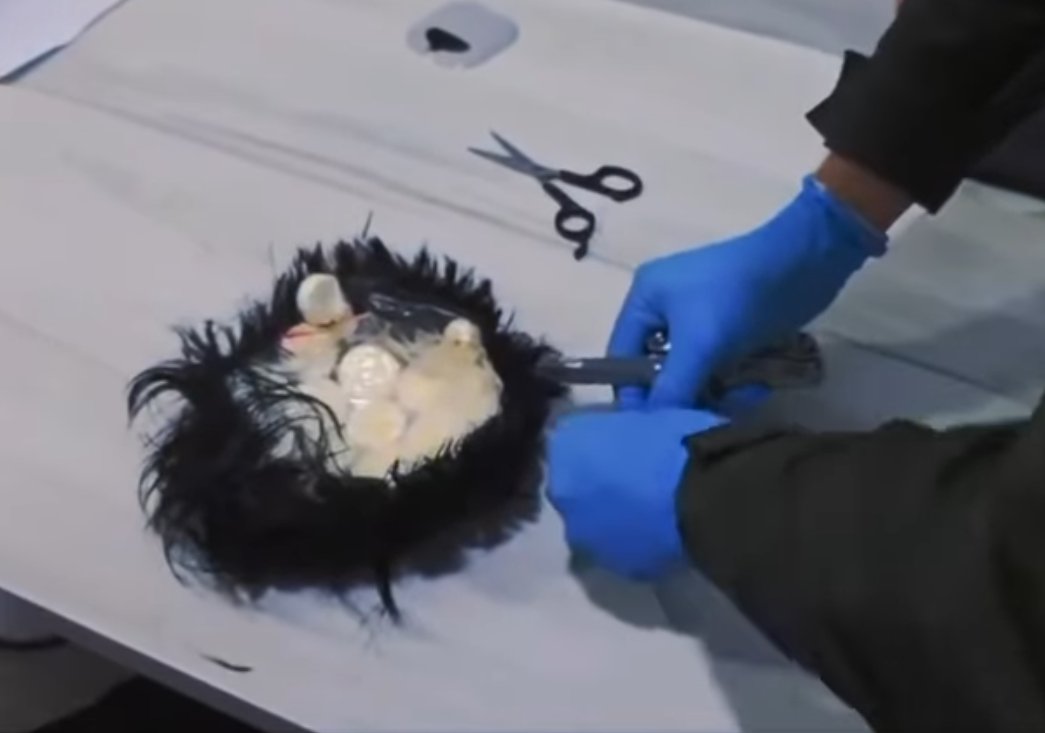
This alert follows the circulation of a video that went viral on social media showing the arrest of a smuggler in Cartagena, Colombia. In the footage, local anti-narcotics officers are seen cutting into a man’s wig, revealing dozens of small packets of cocaine hidden within.
The seized contraband was labeled “COCAÍNA” before the Cartagena anti-narcotics police finally handcuffed the suspect.Officer Leo Dedy explained that his agency has encountered various narcotics smuggling tactics being used in Bali—ranging from resin smeared on the walls of suitcases and drugs swallowed by couriers, to narcotics hidden within women’s beauty products.
However, Leo noted that using wigs for smuggling is entirely new.“Regarding this latest case—smuggling via hair, specifically wigs—this is a new development. This is a modus operandi that we must remain vigilant about, especially here in Bali,” he stated.As a primary gateway for international tourists, Bali is particularly vulnerable to exploitation by transnational narcotics smuggling networks.
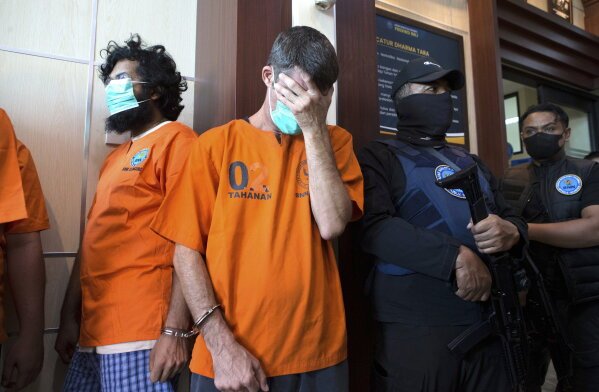
According to Officer Leo Dedy, any new smuggling tactic that emerges at airports elsewhere in the world could potentially be attempted in Bali. Because of this, early detection is crucial before such methods are actually employed on the ground locally.Regarding strengthening inspection procedures,
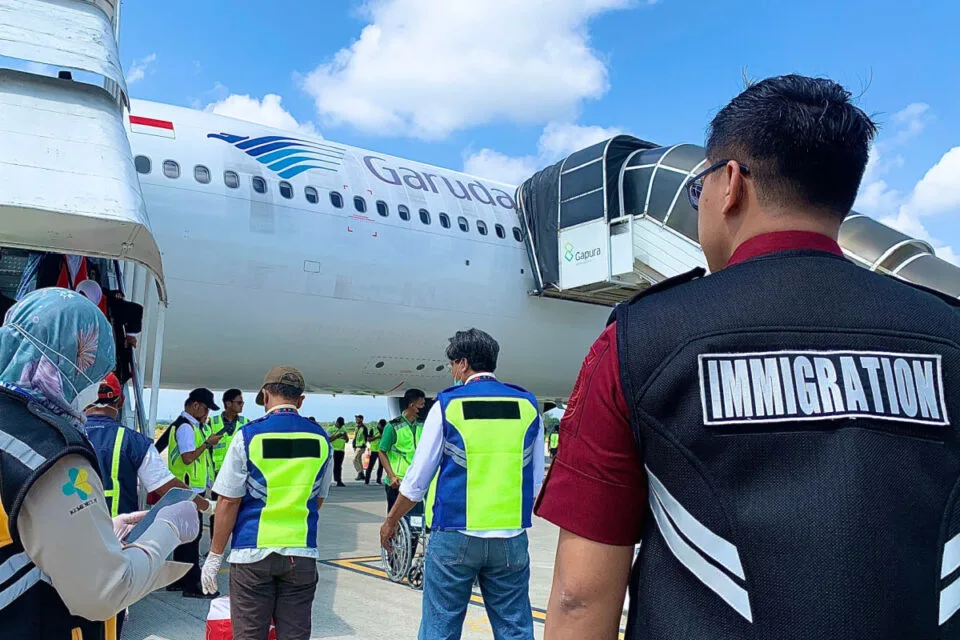
Leo Dedy said his agency is open to discussing this with relevant airport authorities. “It is important for us to discuss this with relevant stakeholders, such as Customs and Immigration at the airport—those who guard our aerial borders. This means that, in addition to using body scanners, we must also be even more suspicious of people’s hair during inspections,” he said.
He added that the BNN (National Narcotics Agency) uses such international videos for internal training, sharing them with field officers as a reference for the types of smuggling methods they should watch for.To date, there have been no official reports of cocaine being smuggled via wigs in Bali. Nevertheless, following this early warning from the Denpasar City BNN, oversight at Bali’s entry points is expected to be further tightened in the very near future.
Warning to Hotels in Bali Failing to Source Locally
NusaBali reports that Bali Governor Wayan Koster has warned hotels and restaurants in Bali that are failing to optimize the use of local products that he will not hesitate to impose sanctions. Koster says he plans to tighten oversight by directly inspecting food supplies used by hotels and implementing a tiered sanctions system, potentially including reviewing business licenses for establishments that fail to comply with his guidance and official regulations.
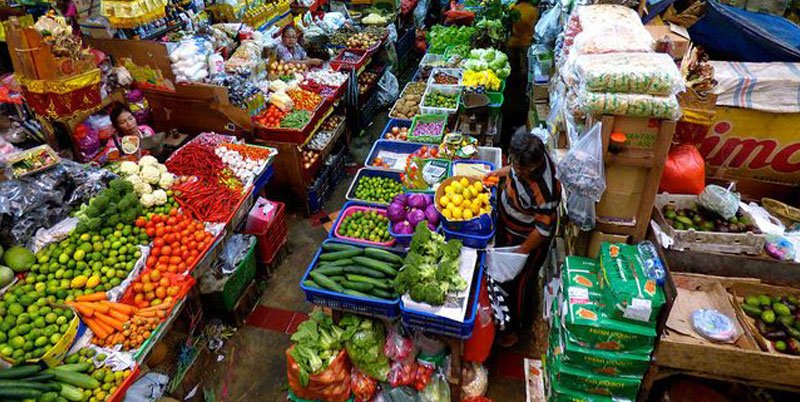
Koster said he has tasked his staff with entering hotel kitchens to verify the origins of food ingredients, from rice, eggs, vegetables, and fruits to salt. He argued that Bali’s high volume of tourist arrivals should serve as a significant market for local farmers, livestock breeders, fishers, and domestic industry players.“From an economic perspective, this is an existing market.
People come here—7 million international visitors and 9.3 million domestic tourists, totaling 16.3 million annually! These visitors are people who need food,” Koster proclaimed during his remarks at the 2026 Stakeholder Dialogue hosted by the Bali Representative Office of Bank Indonesia (BI) held at the Dharma Negara Alaya Building in Denpasar on Friday, 23 October 2026.Koster used the occasion to highlight Bali Gubernatorial Regulation No. 99 of 2018 addressing the Marketing and Utilization of Balinese Agricultural, Fishery, and Industrial Products.
The Governor said hotels and restaurants that fail to use local products as required under the regulation will face three sequential formal warnings. If these businesses continue to disregard the regulations, the next step will be to review their business licenses.According to Koster, Bali offers a diverse range of products that can meet the tourism industry’s needs.
He cited examples such as rice from agricultural hubs like Tabanan, as well as local salt produced in Amed, Kusamba, and the Buleleng region. Therefore, he questioned the continued reliance on products from outside the region when local commodities are available and can meet market demand.
Koster emphasized that this issue goes beyond procurement choices by hotels and restaurants; it also concerns how the people of Bali can more broadly enjoy the economic benefits of tourism. If local producers meet the tourism industry’s needs, money can circulate to farmers, livestock breeders, fishers, artisans, and small-scale business owners.
“What I truly aim to build is a system where Bali’s economy circulates within Bali as much as possible—from upstream to downstream,” Koster stated.In addition to using local food products, Koster also highlighted an existing policy requiring the use of Balinese “endek” woven fabric every Tuesday and traditional Balinese attire every Thursday.
According to the Governor, this policy both preserves culture and strengthens the market for designers, weavers, tailors, and small and medium-sized enterprises (SMEs) in Bali.Koster conveyed these messages during a forum themed “Data Pramana, Bali Rahayu: Synergizing to Drive Higher and More Resilient Growth for Bali.” The Governor hopes that by bolstering the use of local products, tourism growth will not merely be measured by visitor arrival totals, but will also generate a broader economic impact for the local community and local businesses.
11 Electric Buses Ready for Operation in Bali
Kompas reports that the Hyundai Motor Company has delivered 11 electric buses to support the development of electric-based public transportation in Bali. This small fleet of Hyundai County EV buses is part of the “Bali E-Mobility Project,” which aims to promote low-emission transport on the “Island of the Gods.
”The handover of the Hyundai Electric Bus Fleet took place during a launch event for the buses and charging stations—both contributions to the Bali E-Mobility Project—on October 22, 2026. For this project, Hyundai Motor provided the electric bus platform/chassis, while Laksana, a local company, developed and manufactured the vehicles’ bodywork.
This collaboration combines Hyundai’s electric vehicle technology with the capabilities of the domestic bus-manufacturing industry. The South Korean Ministry of Environment (covering climate, energy, and the environment) initiated the Bali E-Mobility Program in partnership with the Global Green Growth Institute (GGGI).
This initiative marks the first project to introduce electric-based public transportation in Bali.Chul Youn Park, Senior Vice President and Head of the Global Commercial Vehicle and Light Commercial Vehicle Business Division at Hyundai Motor Company, said the company aims to support the transition to a more environmentally sustainable transportation system.
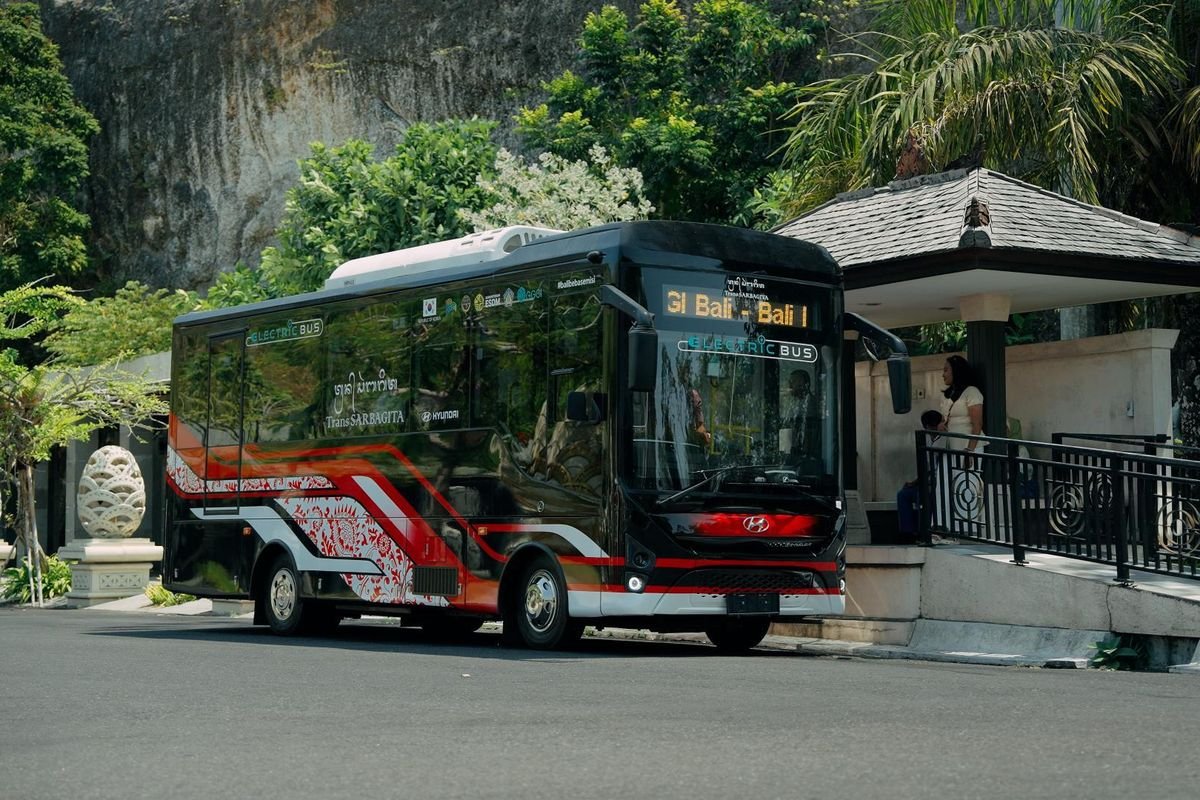
”We are proud to contribute to the transition toward a more sustainable transportation system in Bali by providing these electric buses,” said Chul Youn Park in an official statement issued on Friday, 23 October 2026. With a capacity of 20 passengers, the buses are medium-sized Hyundai County EVs, measuring about 8 meters long.
Each vehicle has a capacity of 20 passengers and is equipped with a 128 kWh battery. With this battery, the County EV can travel over 200 kilometers on a single full charge. The fleet is also supported by charging station facilities as part of the Bali E-Mobility Project.To support the initial phase of operations, Hyundai Motor is implementing an “EV Bus Field Quality Assurance Program.
” This program includes monitoring vehicle quality and operational performance from the first moment the fleet begins service. Hyundai will also establish an on-site vehicle quality monitoring center to help ensure the smooth operation of the electric buses.The bus handover in Bali continues Hyundai’s efforts to supply electric commercial vehicles for public transportation in Indonesia.
Previously, the company provided similar electric buses for public transport services in Surabaya in November 2024. The Bali E-Mobility Project also follows a memorandum of understanding between the governments of South Korea and Indonesia signed in 2025, intended to drive the transformation of Bali’s transport sector toward electric mobility.
Beyond reducing greenhouse gas emissions, this program is also expected to serve as a model for public-private collaboration in developing sustainable transportation within the Asia-Pacific region. Hyundai has stated that it will continue to expand its electric vehicle business in Indonesia, including in Jakarta, Semarang, Surabaya, and Medan.